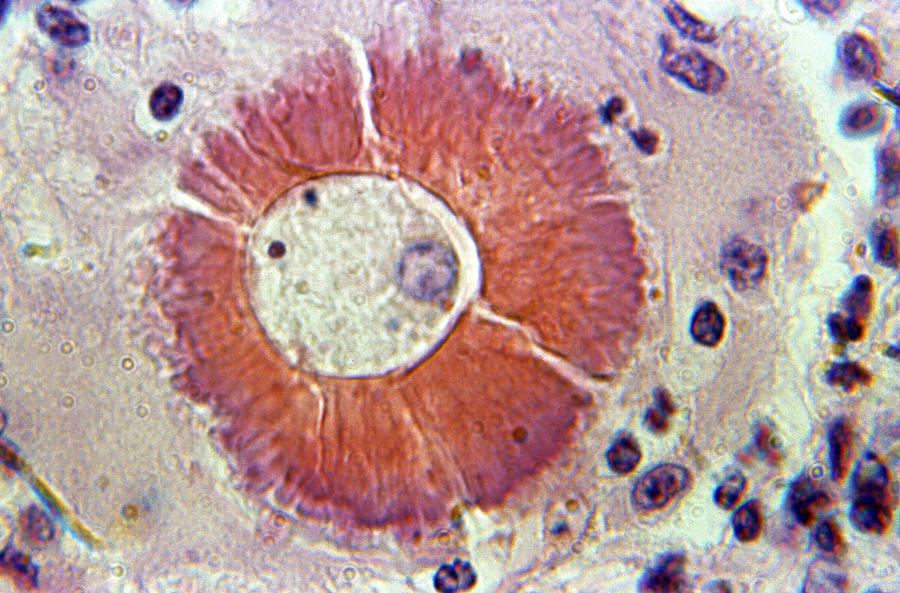
Coccidioidomycosis, also known as Valley fever, is a fungal disease caused by the Coccidioides species of fungi. The disease is prevalent in the southwestern United States, particularly in Arizona and California, as well as in parts of Central and South America. According to the
Coccidioidomycosis Wikipedia page, the disease affects approximately 150,000 people each year in the United States alone.
Causes and Risk Factors
Coccidioidomycosis is caused by the inhalation of the spores of the Coccidioides fungus, which is commonly found in soil. The spores can become airborne when the soil is disturbed, such as during construction, farming, or natural disasters like earthquakes. People who work outdoors, such as construction workers, farmers, and archaeologists, are at a higher risk of contracting the disease. Additionally, individuals with weakened immune systems, such as those with HIV/AIDS or undergoing chemotherapy, are more susceptible to the disease.
Symptoms and Diagnosis
The symptoms of coccidioidomycosis can range from mild to severe and may include:
Fever
Cough
Chest pain
Fatigue
Muscle aches
Joint pain
Headache
In severe cases, the disease can lead to pneumonia, meningitis, or even death. Diagnosis is typically made through a combination of physical examination, medical history, and laboratory tests, including blood tests and imaging studies.
Treatment and Prevention
Treatment for coccidioidomycosis usually involves antifungal medication, which can be taken orally or intravenously. In severe cases, hospitalization may be necessary. To prevent the disease, it is essential to take precautions when working or spending time outdoors in areas where the fungus is common. This includes:
Wearing a mask when working with soil or dust
Avoiding activities that disturb the soil
Staying indoors during dust storms
Avoiding contact with contaminated soil or dust
Complications and Prognosis
If left untreated, coccidioidomycosis can lead to serious complications, including:
Pneumonia
Meningitis
Bone and joint infections
Skin lesions
Death
The prognosis for coccidioidomycosis is generally good if treated promptly and properly. However, in severe cases, the disease can be fatal.
Coccidioidomycosis is a serious fungal disease that affects thousands of people each year. By understanding the causes, symptoms, and risk factors, individuals can take steps to prevent the disease and seek medical attention if symptoms occur. If you suspect you have been exposed to the Coccidioides fungus or are experiencing symptoms, it is essential to consult a healthcare professional for proper diagnosis and treatment.
For more information on coccidioidomycosis, visit the
Coccidioidomycosis Wikipedia page or consult a medical professional. By taking the necessary precautions and seeking medical attention if necessary, you can reduce your risk of contracting this serious fungal disease.